
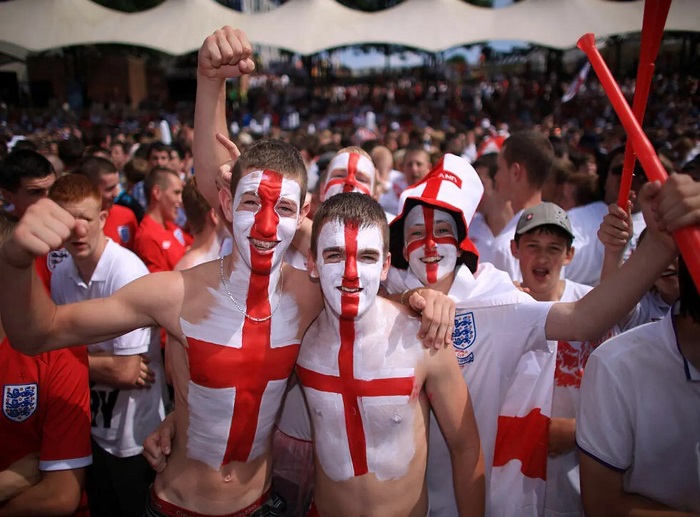
Fanaticism in English football is a subject that causes interest, controversy and sometimes misunderstanding outside the UK. The history of English football is full of passion, club loyalty and emotional experiences of fans. However, at the same time, many myths have formed around fanaticism, which do not always correspond to the real picture. You can get more information on football betting.
Myth 1: All English fans are aggressive
One of the most common stereotypes is the association of English fans with violence and hooliganism. Historically, there were cases of football riots, especially in the 1970s and 1980s, but this does not reflect modern reality. Today, the vast majority of fans attend matches to support their team, have a family holiday and participate in club culture. The introduction of modern security systems in stadiums and strict rules of conduct have significantly reduced the level of violence.
Myth 2: Fanaticism is only about the stadium
Many people believe that fanaticism is limited to attending matches. In reality, team support comes in many forms: buying club merchandise, joining fan clubs, discussing matches online, travelling to away games and social initiatives. English fans are actively involved in the life of the club off the pitch, supporting its projects and helping with social events.
Myth 3: Fans are the same
There is a stereotype that fans of one team are a monolithic group with the same views and behaviour. In reality, the audience of clubs is diverse: there are families, young people, older people and foreign fans among the fans. Each brings their own motives and ways of expressing loyalty. This social spectrum makes fan culture multifaceted and dynamic.
Reality: passion, identity and community
Fanaticism in English football is primarily associated with identity and belonging to a community. Supporting a club:
- creates a sense of belonging;
- strengthens social ties;
- creates emotional experiences, etc.
All this stays with the fan for life. Fans experience victories and defeats together with the team, creating a unique atmosphere in and outside the stadiums.
Modern trends
In recent years, there has been an increase in conscious fanaticism: fans participate in discussions of club policy, advocate for the improvement of stadium infrastructure, compliance with safety rules and transparency of club management. Social networks allow fans to unite, exchange opinions and actively influence club life.